Sovereignty · Aviation · Systems
The Invisible Architecture of Power
How Dubai Redraws the Geography of Sovereignty Through the Sky
Somewhere tonight, a foreign minister may be waiting beside an aircraft that is fully prepared to depart. The crew has completed its checks, the runway remains open and the receiving authorities have cleared the arrival. Yet the journey cannot begin because an overflight authorisation has been withdrawn somewhere along the route, closing a portion of sky that exists on no ordinary political map.
In such a moment, sovereignty ceases to be an abstract question of borders. It becomes something more immediate: the capacity to preserve movement across the jurisdictions that lie between departure and arrival.
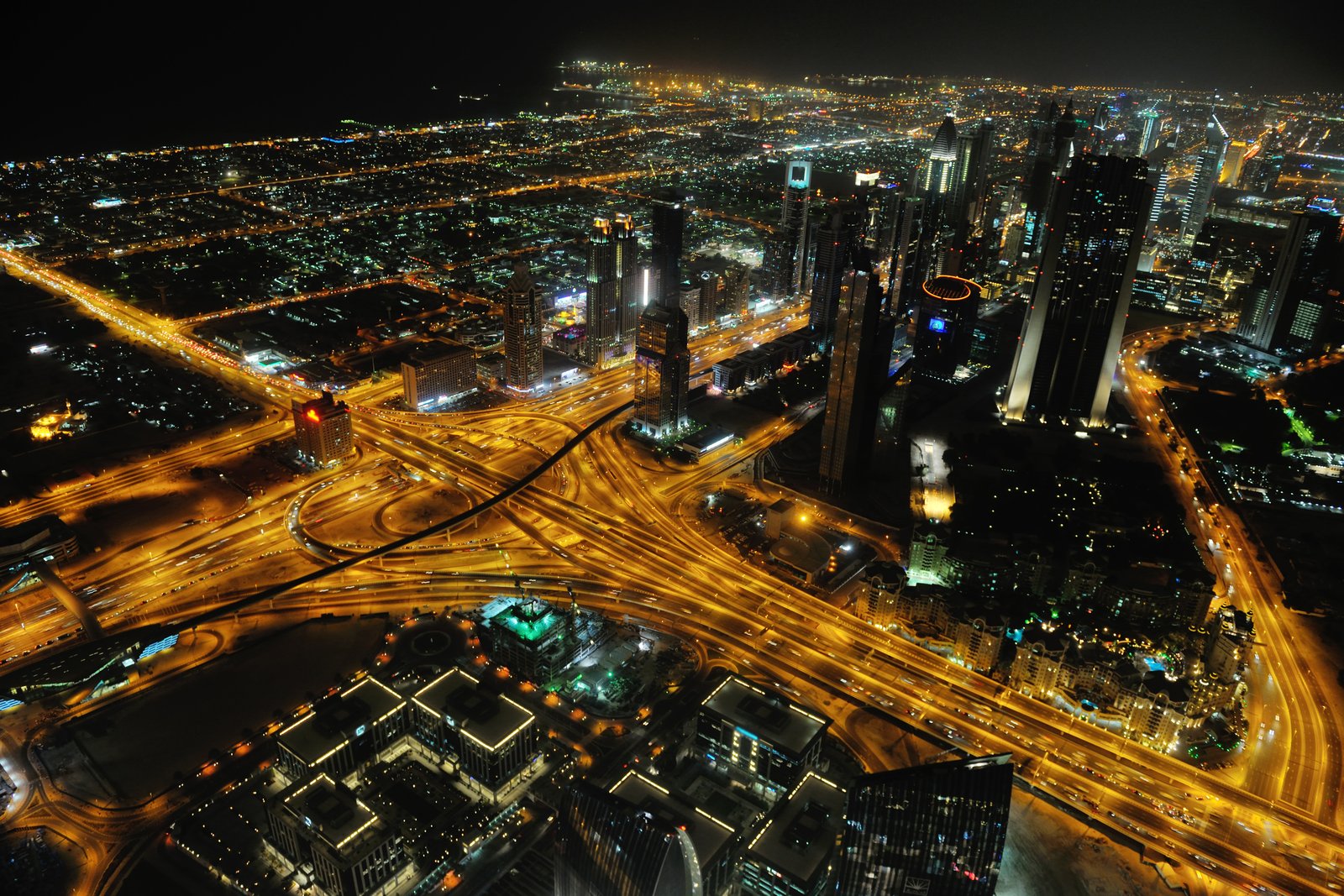
For centuries, sovereignty was understood through lines drawn on land. Those lines indicated where authority began, where law ended and where one political order gave way to another. They remain powerful, but they no longer describe the whole geography of power. Capital, data, critical goods and political influence now travel through networks that cross multiple jurisdictions before reaching their destination. The states and cities capable of organising these movements acquire forms of authority that territorial maps alone cannot fully represent.
Aviation makes this transformation unusually visible. Its importance lies not merely in its ability to carry people faster or farther, but in the web of permissions, corridors, standards, infrastructures and institutional agreements that allow an aircraft to keep moving. The machine may be visible; the architecture that sustains it rarely is.
Dubai understood this distinction early. It did not need to manufacture aircraft in order to become central to the aviation system. Instead, it concentrated on the conditions surrounding flight: airport capacity, regulatory predictability, access to markets, capital, logistics and the diplomatic architecture of connectivity. Through their alignment, a relatively small territory positioned itself within the movement of continents.
The result is more than an aviation strategy. It is a form of power exercised through continuity, access and the organisation of the sky — a geography of sovereignty whose borders are not drawn on land, but traced through movement.
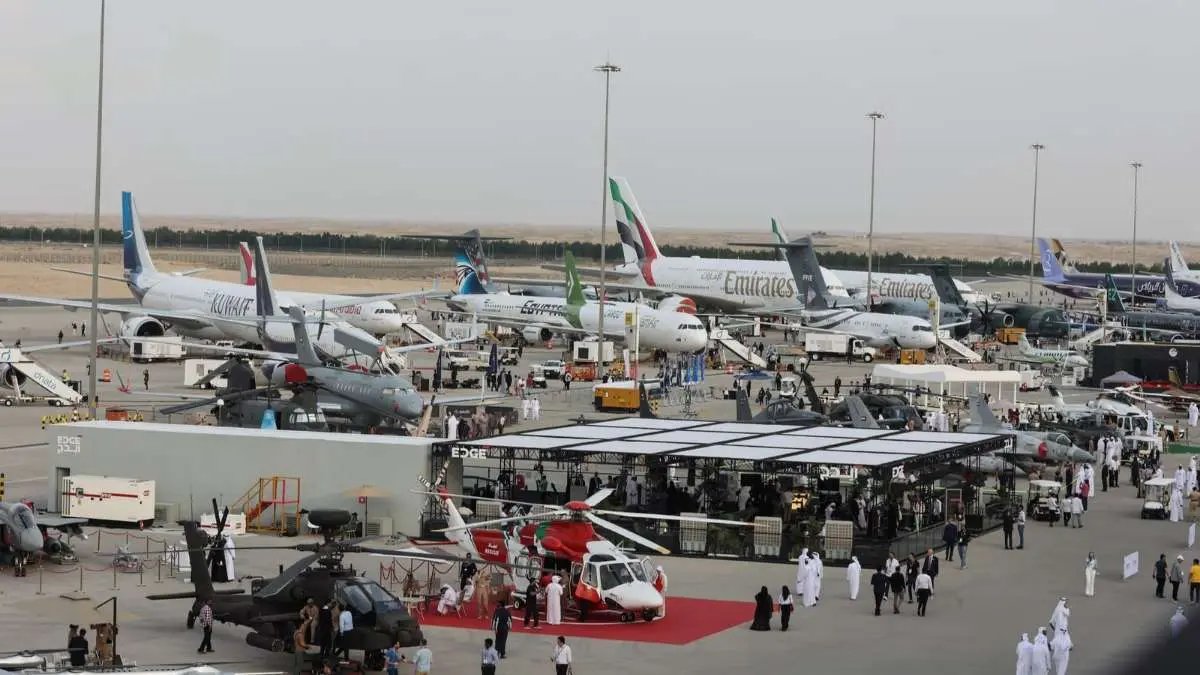
At the Dubai Airshow, a founder may arrive with an aircraft that already knows how to fly and leave with a more difficult question: whether the institutions around it know how to receive it. The prototype may rise vertically, navigate autonomously and perform exactly as its engineers intended. Yet between a successful demonstration and a functioning transport service lies a more complicated territory, inhabited by regulators, insurers, airports, data systems, public authorities and unresolved questions of responsibility.
Around the founder, the exhibition unfolds as a spectacle of technological confidence. A military command platform may stand only a few metres from an electric air taxi; satellite companies share the same temporary geography as defence contractors, investors and civil-aviation authorities. Engineers, generals, founders, regulators and financiers pass through the exhibition halls, each carrying a different vocabulary of risk, speed and control.
What appears to be an assembly of machines is also an exercise in institutional proximity, bringing actors from separate political and commercial worlds into a setting where their technologies can be compared, translated and gradually aligned. The Dubai Airshow itself presents this convergence as one extending across civil and military delegations, government and regulatory bodies, manufacturers, investors and startups.
Dubai does not merely provide the room in which they meet. It curates the conditions under which their encounter can acquire institutional form.
Its position rests less on technological ownership than on administrative legibility. At a time when major powers increasingly treat emerging technologies as instruments of strategic rivalry, Dubai offers something unusually valuable: an environment in which capital, regulation, infrastructure and commercial ambition can encounter one another without becoming trapped in prolonged institutional uncertainty.
Its advantage is not neutrality in the strict geopolitical sense, but predictability — the confidence that rules can be identified, decision-makers reached and the passage from demonstration to approval made visible enough for investors and operators to remain engaged.
For the founder, this distinction is not theoretical. A machine may be technically mature and still remain commercially unusable if the jurisdiction around it cannot determine how it should be certified, where it may operate, how its data should be governed or who will carry liability when autonomy fails.
Innovation does not become infrastructure merely because it works. It becomes infrastructure when institutions learn how to receive it.
The next era of aviation will therefore not be organised around the aircraft alone. Autonomous air mobility, satellite navigation, artificial intelligence, digital identity systems, defence technologies and ground infrastructure will have to coexist within an increasingly interconnected physical and regulatory environment, even though each has emerged from a different technical culture and political history.
The difficulty lies not simply in perfecting every component, but in preventing their interaction from turning complexity into paralysis.
For much of aviation history, technological prestige could be expressed through altitude, range and speed. The emerging contest is for coherence: the capacity to integrate machines, data, permissions and institutions into an operational fabric that remains stable as complexity increases.
Dubai does not manufacture airframes on the scale of Boeing or Airbus, but it has cultivated another form of leverage — the ability to convene the actors surrounding the aircraft and make their separate systems intelligible to one another. They come not merely to reach a local market, but to enter an environment in which testing, certification and deployment can follow a visible and dependable sequence.
Curation, in this sense, is more than a decorative metaphor. A curator does not simply gather objects and place them in proximity. The curator establishes relations between them, determines the conditions under which they can be understood and constructs coherence from elements that were not originally designed to coexist.
Applied to aviation, that work consists of bringing airports, regulators, airlines, investors, technology companies and public authorities into a common operational language without pretending that their interests are identical.
The visible aircraft is only the outer form of this larger architecture. Behind it lies a sequence of permissions, standards, interfaces and institutional expectations that determines whether the founder's machine remains an admired prototype or enters everyday life.
By the time the founder leaves the exhibition floor, the most consequential conversations may no longer concern propulsion, range or design. They concern certification, infrastructure, liability, data and access — the quieter conditions that decide whether an invention becomes a market.
Here, sovereignty begins to resemble authorship: not the authority to write every rule, but the capacity to shape the setting in which rules are tested, interpreted and eventually normalised.
Dubai cannot determine the terms of global aviation alone, nor does it possess the sovereign authority of an independent state. Yet within the federal architecture of the United Arab Emirates, it can influence the environments in which standards encounter practice, capital encounters permission and technological possibility acquires institutional permanence.
This is sovereignty by design: not command over every aircraft that crosses the sky, but the quieter power to shape the grammar through which aircraft, infrastructure, capital and institutions learn to move together.
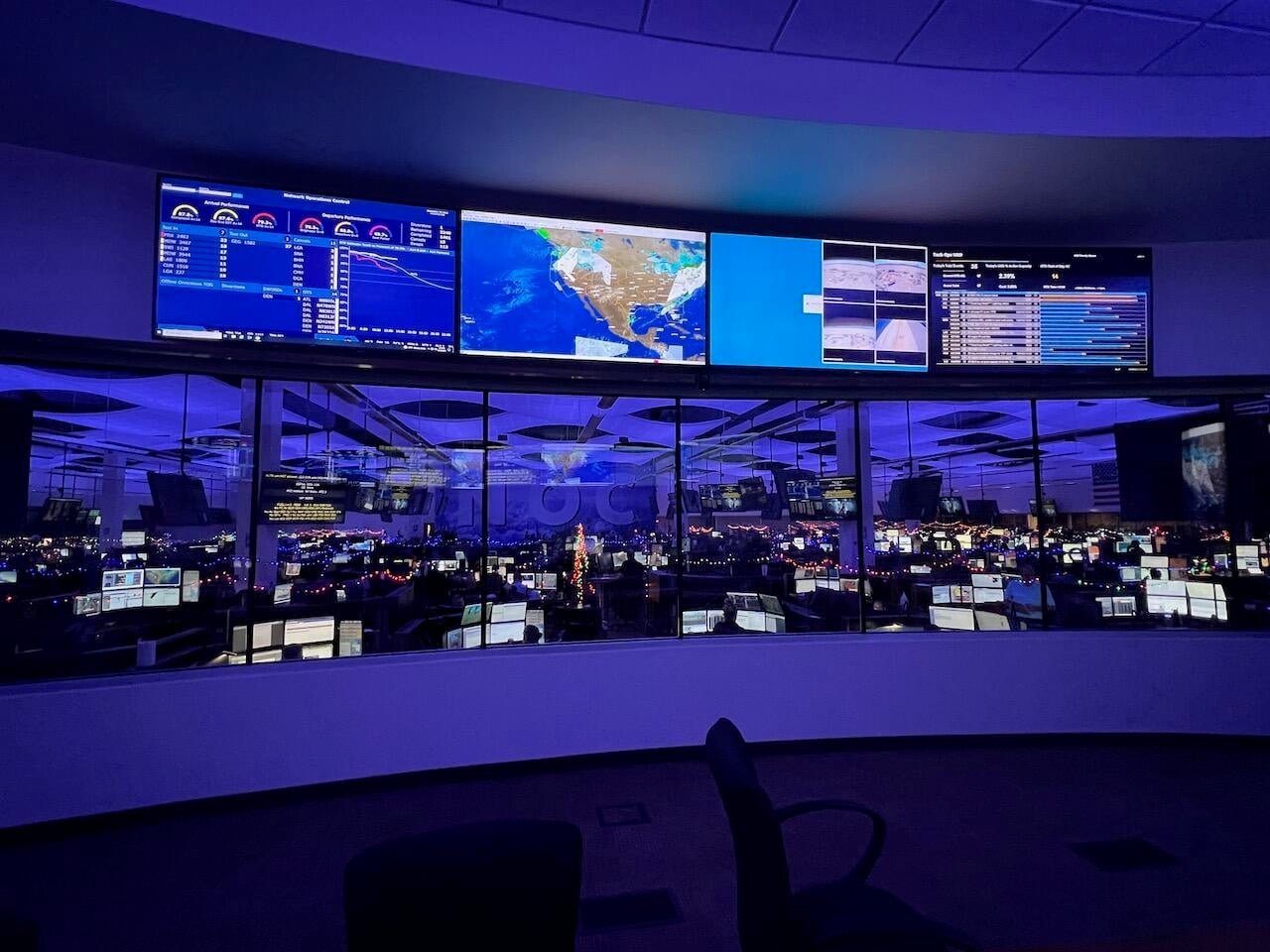
In an airline operations room late at night, a dispatcher watches a line on a screen begin to bend away from its planned course. The aircraft is functioning normally, its fuel remains within operational margins and most of the passengers are asleep. Nothing visible has failed. Yet an airspace restriction has changed, a corridor has narrowed and the geometry of the journey must be rewritten while the aircraft is already in motion.
For those on board, the flight may remain uneventful. For the people responsible for keeping it moving, the moment reveals a different reality. The aircraft is only one element of the journey. Its continuity depends on permissions granted elsewhere, control centres handing it from one jurisdiction to another, alternative routes remaining available and institutions continuing to recognise one another's decisions.
The strategic power of aviation increasingly lies not in the machine alone, but in the path that remains open before it.
For much of the twentieth century, the aircraft was a symbol as much as a tool. Its polished fuselage, national markings and physical arrival in a foreign capital carried a message of industrial ambition and political presence that required little explanation. Flag carriers extended the image of the state beyond its territory, while achievements in altitude, range and speed became visible expressions of national capability.
That spectacle has not disappeared, but it no longer contains the full meaning of aviation power. Commercial aircraft are financed across borders, assembled through international supply chains and supported by technologies often shared between competitors.
The visible machine continues to attract attention, but much of the authority surrounding it has migrated elsewhere: into traffic rights, operating permissions, airport capacity, regulatory recognition and the administrative ability to maintain a route when normal conditions begin to deteriorate.
To follow this migration is to understand why continuity has become more consequential than possession. An aircraft may be acquired through capital; a corridor must be assembled through relationships.
That assembly begins long before departure. Scheduled international air services remain dependent on state permission, while bilateral and regional air-service agreements continue to provide the principal legal framework through which market access, routes and operating rights are organised. Certificates and licences must also be recognised across jurisdictions under the conditions established by the Chicago Convention and its supporting standards.
The apparent freedom of the sky is therefore not a gift of nature. It is an administrative achievement, produced through air-service agreements, safety oversight, slot coordination, security procedures, insurance arrangements and the mutual recognition of technical authority.
Much of this work is carried out far from the passenger, in negotiating rooms, regulatory offices and operations centres where a route is made viable before it appears on any departure board.
This achievement remains fragile. A diplomatic dispute can remove an overflight permission; a security event can close an airspace; a regulatory decision can suspend an operator; congestion can make a commercially attractive route operationally impractical.
The line drawn on a flight map may appear simple, but its continuity rests upon a political and technical environment capable of changing before the aircraft reaches it.
Dubai has treated connectivity not as a secondary consequence of economic growth, but as infrastructure in its own right. Airports, airline operations, logistics systems, border procedures and commercial policy have been developed as interdependent parts of a wider architecture of circulation.
The objective is not to abolish disruption — no hub can command the political conditions surrounding every route — but to reduce the number of points at which disruption becomes paralysis and to preserve alternatives when the original path can no longer be used.
The strategic product is not speed alone. It is the reduction of interruption.
For a traveller, this architecture is encountered through small forms of continuity: a connection that remains possible, a bag that reaches the next aircraft, a transfer that does not dissolve into a sequence of queues, explanations and uncertain permissions.
For an airline, it appears as coordinated ground handling, crew availability, predictable turnaround procedures and the capacity to reorganise operations when the original plan no longer holds. For a company or investor, it is the confidence that physical access to distant markets will not depend entirely on improvisation.
When these systems work, they retreat from consciousness. Passengers rarely consider the agreements, databases and operational handovers carrying them across several jurisdictions in a single night.
They discover the architecture only when it breaks — when a cancelled clearance, a missed connection or a closed airspace suddenly reveals the institutional labour concealed inside an apparently ordinary journey.
Reliability therefore acquires political meaning. A jurisdiction capable of preserving movement through periods of instability does more than provide an efficient service; it becomes a source of optionality for those whose activities depend on reaching several regions without being permanently bound to a single route.
Yet continuity is never distributed equally. Access is shaped by passports, bilateral relationships, sanctions, security classifications, commercial priorities and the capacity to absorb additional cost.
Two passengers may stand in the same terminal while inhabiting entirely different geographies of movement: one passes through a sequence of recognised permissions, while the other encounters interviews, restrictions and administrative uncertainty.
The architecture facilitates, but it also sorts.
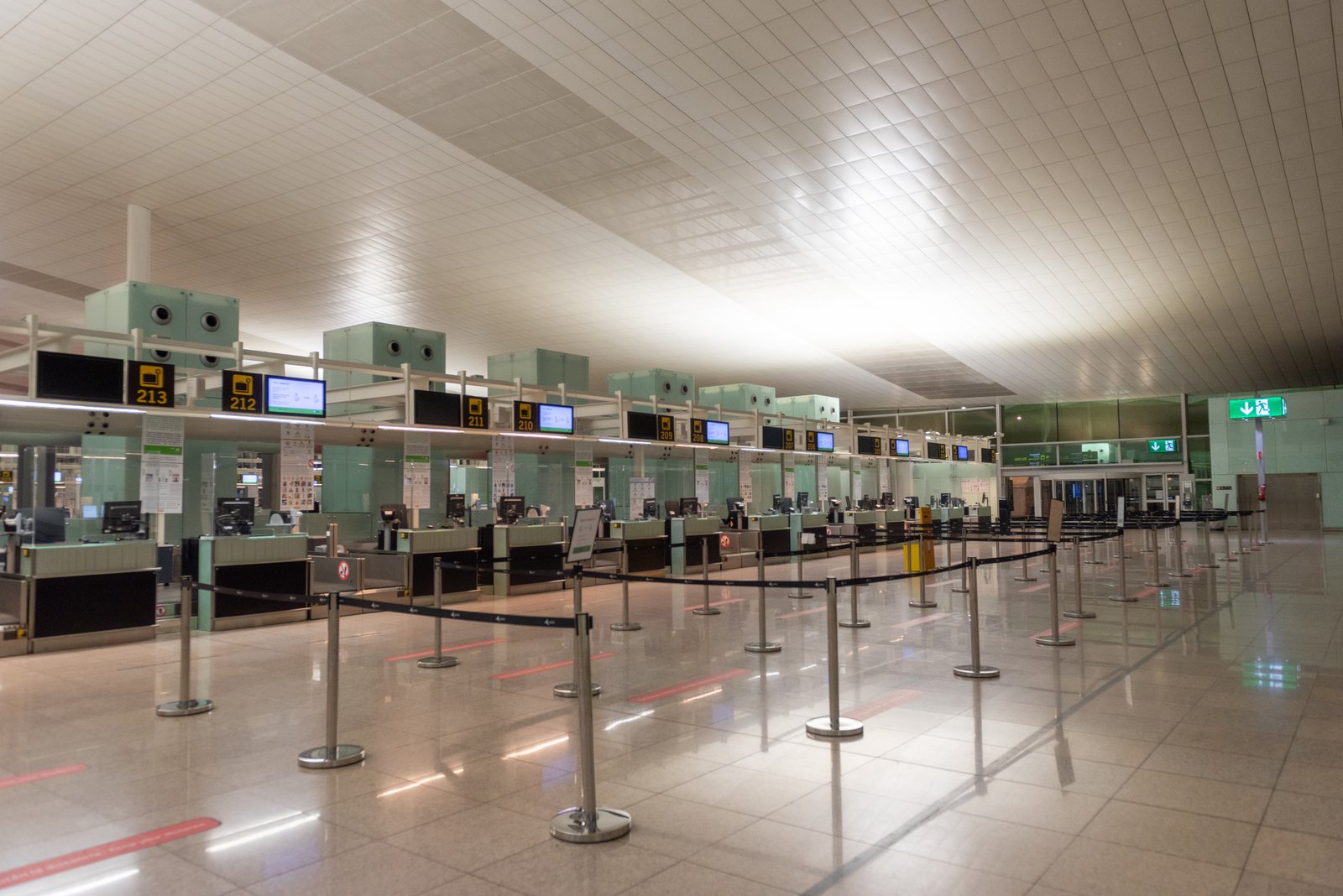
This sorting does not necessarily arise from a single decision-maker or an explicit policy of exclusion. More often, it emerges from the accumulated effect of standards, databases, visa regimes, airline rules, security procedures and diplomatic relationships.
Because authority is dispersed across these layers, the resulting boundary can be difficult to identify and harder still to contest. No single institution appears to have closed the route, yet the route is closed nonetheless.
Access becomes power not because it eliminates borders, but because it determines how borders are encountered: as manageable transitions for some, and as accumulating friction for others.
Dubai's advantage lies in having built an environment where those transitions are more frequently converted into continuity — though never universally, never unconditionally and never without political cost.
Spectacle has not vanished. It has changed location. The aircraft still commands attention; the corridor increasingly determines consequence.
At the Dubai Airshow, the signing of an aircraft order may last only a few minutes. Two executives take their places behind a polished table, folders are opened, pens touch paper and photographers move forward. The figure announced is large enough to dominate the following day's headlines, while the aircraft displayed behind them provides the scale and spectacle the occasion requires.
Yet almost everything that makes the signature consequential remains outside the frame.
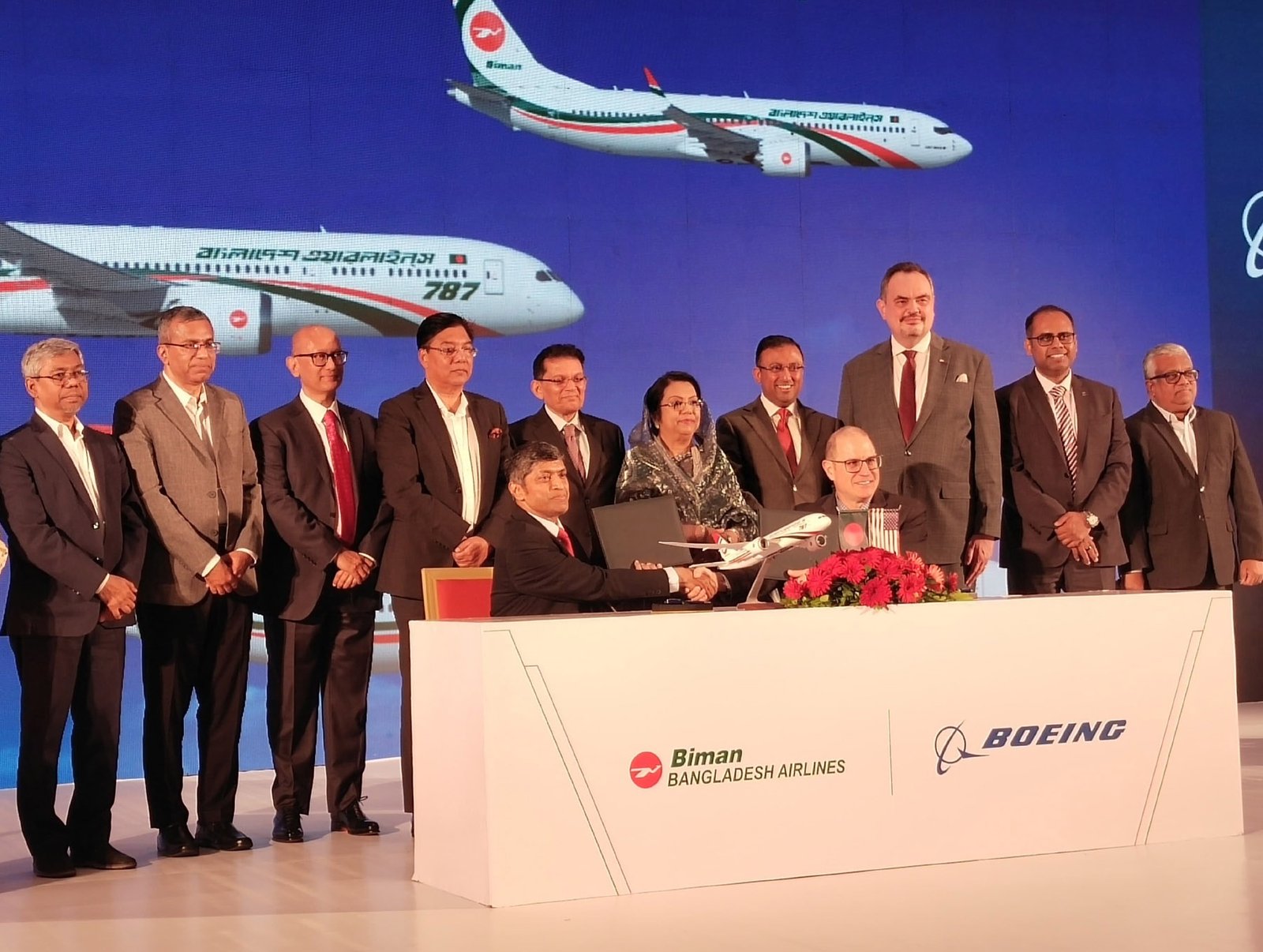
No photograph can show the factory capacity that will now be reserved, the pilots who will have to be trained, the simulators that must be acquired, the maintenance contracts that will extend across continents or the airport infrastructure that may have to be adapted before the first aircraft arrives.
The public ceremony records a moment; the agreement sets in motion a sequence of commitments that may outlast the executives who signed it.
An aircraft order is a commercial decision with a geopolitical afterlife.
Before an aircraft carries passengers, it must acquire a legal and institutional existence. Its design is certified, its individual airworthiness established, its operator licensed and the validity of those authorisations recognised across the jurisdictions through which it will move.
Insurance, export controls, maintenance approvals, environmental requirements and operating permissions gradually surround the machine with an administrative envelope every bit as necessary as its wings or engines.
An aircraft may be manufactured in one country, registered in another, financed through a third and operated across dozens more. Its physical mobility depends on a chain of institutions agreeing to recognise one another's authority.
The signature made at the airshow therefore does more than purchase metal. It enters an airline into an industrial, financial and regulatory ecosystem whose dependencies deepen over time, while also selecting the geography that the fleet will be capable of sustaining.
Widebody aircraft favour routes able to support large volumes across considerable distances. Narrowbody aircraft permit greater frequency and can connect markets where demand would not support the same concentration of capacity.
Neither category determines a network on its own; schedules, traffic rights, airport capacity and commercial partnerships remain decisive. Yet each aircraft type changes the range of routes an airline can operate economically and, with it, the pattern of cities that can be drawn into the same system.
A fleet is not simply a collection of machines, but a proposition about distance, density and the organisation of demand.
Emirates has made that proposition unusually explicit. Its operating model remains centred on widebody aircraft, and at the end of March 2026 its order book comprised 367 aircraft — A350s, Boeing 777Xs, 787s and freighters — with deliveries scheduled through 2038.
The scale and duration of those commitments extend the logic of Dubai as a long-haul connecting hub far beyond the lifespan of any single management team or corporate strategy document.
For many years, flydubai supplied a complementary geometry. Its Boeing 737 fleet reached regional and secondary cities whose traffic volumes or distances did not always correspond to Emirates' widebody model, feeding passengers into a shared Dubai hub.
By late 2025, the partnership between the two carriers connected 245 destinations in 103 countries through coordinated schedules, ticketing and baggage transfers.
Even this division, however, is beginning to evolve. Flydubai's order for 30 Boeing 787 aircraft, with deliveries expected to begin in 2027, means that a carrier built largely around narrowbody reach is preparing to operate widebody services of its own.
Dubai's network is therefore not preserving a rigid distinction between an airline that gathers and one that concentrates. It is developing a layered architecture in which the reach of each carrier can extend the utility of the other while both retain distinct operating logics.
This evolution reveals why an order does not freeze geography. It gives geography duration while preserving the possibility of revision.
Once a fleet decision has been made, reversal remains possible, but rarely simple. Financing has been arranged, production capacity reserved, engines selected, crews trained and maintenance systems organised around a particular aircraft family.
Airport planning and route development begin to anticipate capabilities that may not enter service for several years. What initially appeared to be a purchase gradually becomes a field of dependencies, each reinforcing the logic of the original decision and raising the cost of departure from it.
By the time the first aircraft enters commercial service, the ceremony at which it was ordered has largely been forgotten. The executives may have moved on, market conditions may have changed and the geopolitical assumptions surrounding the agreement may already be under pressure.
Yet the industrial relationships, training systems, financing obligations and operational expectations created by the signature remain.
The theatre of orders is brief. The infrastructure it creates is not.
Years after the exhibition stands have been dismantled and the signing photographs have disappeared from view, a passenger boards an aircraft in Mumbai, Nairobi or Milan.
The journey appears to begin at the gate, with a boarding pass, a seat assignment and a destination displayed above the door. In reality, much of it was prepared years earlier: when an aircraft was ordered, a corridor negotiated, a standard recognised, an airport expanded and a sequence of connections arranged around a hub.
By the time the passenger begins to move, sovereignty has already done much of its work.
Dubai's achievement does not consist in replacing territorial sovereignty with an entirely new form of power. Borders, armed force, citizenship and formal jurisdiction remain decisive.
What Dubai demonstrates, within the federal architecture of the United Arab Emirates, is that another layer has become increasingly consequential: the capacity to organise the systems through which territories, markets and institutions remain connected.
This form of authority is neither purely public nor purely commercial. It emerges among regulators, airlines, airports, manufacturers, financiers and diplomatic relationships, none of which can produce continuity alone.
Its strength lies in orchestration: in making separate actors operate as though they belonged to a coherent whole, even while their interests, jurisdictions and political priorities remain distinct.
The same logic extends beyond aviation. Submarine cables, payment systems, energy corridors, digital identity standards and artificial-intelligence protocols all create forms of dependence that conventional maps capture poorly.
In each case, ownership of the physical asset matters, but it is rarely sufficient. Influence also belongs to those who establish the interfaces, preserve interoperability and determine how disruption will be managed when ordinary circulation can no longer be assumed.
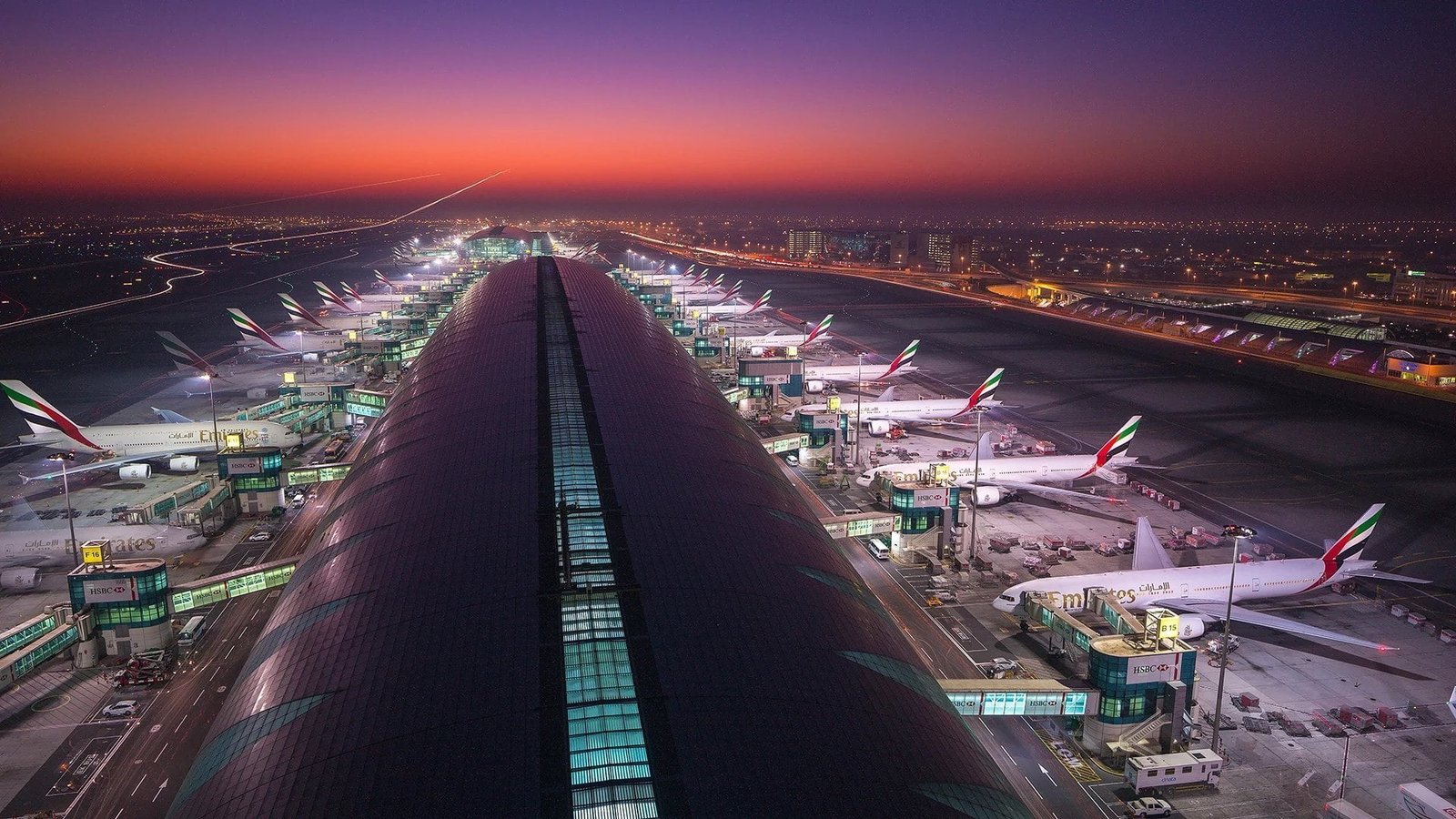
Such power is never neutral. Every system that facilitates movement also establishes the terms on which movement occurs. It distributes reliability, creates dependencies and distinguishes between actors who can pass through friction and those for whom friction becomes the defining condition.
The architecture may be invisible, but its consequences are not shared equally.
Dubai has built influence by placing itself inside these conditions of continuity. It cannot command every route, write every standard or prevent geopolitical disruption. The regional airspace disruptions of March 2026 exposed the vulnerability of Dubai's own aviation hub, demonstrating that a network designed to preserve connectivity can itself become a point of concentrated disruption. Dubai's strategic ambition is therefore not to eliminate interruption, but to strengthen the institutional and operational capacity through which movement can be restored, reorganised or sustained where alternatives remain available.
This is the deeper meaning of sovereignty through the sky. It is not ownership of the aircraft, nor even possession of the hub, but influence over the relationships that allow the journey to continue.
Territory still defines where authority begins. Systems increasingly determine how far that authority can reach.
— The Dubai Curator
Selected Sources
The following institutional and industry sources informed the analysis and factual framework of this essay.
Institutional Sources
ICAO — Chicago Convention · ICAO — Annexes and Standards · Dubai Airshow 2025 · Emirates Group — Annual Report 2025–2026 · flydubai — Annual Report & Fleet Updates · UAE General Civil Aviation Authority (GCAA) · IATA — Air Connectivity & Industry Reports
Government & Regulation
UAE Ministry of Economy · UAE Cabinet · European Union Aviation Safety Agency (EASA) · U.S. Federal Aviation Administration (FAA)
Industry & Intelligence
Boeing — Commercial Market Outlook · Airbus — Global Market Forecast · Cirium · OAG Aviation Intelligence
Strategic Context
International Monetary Fund (IMF) · World Bank — Logistics Performance Index · OECD — Connectivity & Trade · World Economic Forum — Global Infrastructure
Author's Note
Questions for Future Research
How should sovereignty be measured when its instruments are standards, interfaces and access protocols rather than territory?
What forms of institutional dependence are being created by the integration of civil and military aviation within shared operational environments?
Under what conditions does continuity of movement become a source of geopolitical influence independent of territorial scale?
Related Concepts
Systemic Sovereignty — Authority exercised not through the control of territory alone, but through the capacity to shape the systems, standards, and interfaces that organise movement across jurisdictions.
Geography of Access — A strategic map defined by who can enter, cross, connect, or continue under prevailing institutional conditions.
Institutional Curation — The deliberate assembly of regulatory, financial, and operational conditions that allow separate actors and technologies to become mutually intelligible.
The Architecture of Continuity — The layered structure of permissions, standards, and relationships that determines whether movement can be sustained when political or operational conditions change.
Curated Sovereignty examines strategic questions whose answers are still emerging.